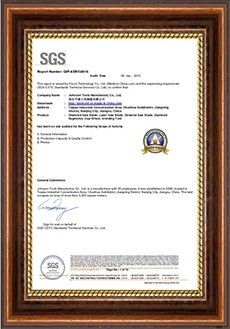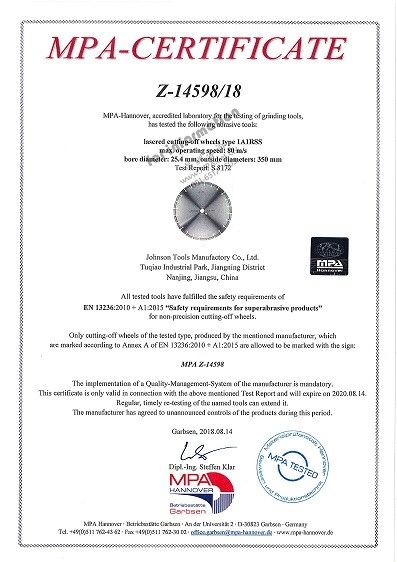
Om hetzelfde te doen de band die wij gebruiken is zeer belangrijk. Wij deden vele tests bij uw bladen en de prestaties zijn zeer goed.
—— Remco
Het knipsel van het blad op betonweg was zeer goed. Het scherpe leven wordt geschat op 800 meters. Nota: Cliëntgebruik onze 14“ het blad van de laserzaag.
—— Jabar
De segmenten van u is zeer goed, duurzaam en scherp. Nota: Het cliëntgebruik onze 102mm300mm diamant segmenteert voor kernbeetjes voor gewapend beton.
—— Zainul
Eerst en vooral zou ik u voor het verzenden willen danken de steekproeven van de Scherpe Bladen van de Diamantzaag. Wij hebben het getest en zeer geïmponeerd geweest.
—— Ancila
Ongeveer uw 200mm&250mm de zaagblad van het plooipunt, maakten wij ongeveer 11000 meters en het is avery goede indice!
—— Julia
En zijn goed, hebben wij meer nodig:) Zaagblad 20x 600mm 20x 800mm 3x 1000mm 10x1200mm.
—— Kovacevic
Ik ben online Chatten Nu
Bedrijf Nieuws
Industrial Flooring: Professional Concrete Grinding & Polishing Guide
Ever wondered how contractors turn a rough, dusty concrete slab into a smooth, high-gloss surface that looks like a mirror? It’s not magic—it’s following the right grit sequence, step by step. Whether you’re refinishing a warehouse floor, updating a commercial space, or even adding a sleek industrial look to your home, nailing these three key stages will get you the results you want.
1. Initial Grinding: Lay the Right Foundation
A lot of people try to skip to finer grits to save time, but that’s a big mistake. If you rush this step, your final finish will never be smooth. Start with 30-70 grit metal-bond pads—these are designed to cut through the top “cream” layer of the concrete. This step levels out any high spots and opens up the concrete’s pores, which is essential for the next stages to work.
2. Transition Stage: Honing and Hardening the Surface
Once your concrete is flat and smooth from the initial grind, switch to 100-140 grit hybrid pads. Here’s a pro trick most DIYers miss: before moving on to polishing, apply a liquid chemical densifier. This product reacts with the free lime in the concrete to harden it from the inside out. Without this step, your polish won’t have that deep shine—and it won’t last as long, either.
3. High-Gloss Polishing: Bring on the Shine
For the final step, we recommend using TRX resin-bond pads. Crank up your tool’s RPM (rotations per minute) and work your way through the grits, starting at 800 and going all the way up to 3000. Take your time here—this is where the concrete transforms from smooth to stunningly glossy.
Pro Tip: Wet Grinding Is Usually Better
Dry grinding might seem easier because there’s less cleanup, but wet grinding is worth the extra effort. It keeps your pads from overheating (which causes ugly “burn marks” on the concrete) and stops harmful silica dust from getting into the air—better for your health and a better finish overall.